
Reprogram Your Nervous System with Ayurveda, Yoga & Vagus Nerve Regulation
Ancient Wisdom Meets Modern Neuroscience
Modern life places our nervous system under constant pressure. Emails, deadlines, emotional stress, poor sleep, processed foods, and information overload keep many people trapped in a state of chronic "fight-or-flight."
Today, neuroscience recognizes that supporting the vagus nerve and activating the parasympathetic nervous system are essential for healing, resilience, digestion, emotional regulation, and overall health.
More than 5,000 years ago, Ayurveda described these same principles differently. Rather than speaking about nerves and neurotransmitters, Ayurveda explains them through a different lens: health through Vata Dosha, Prana, Agni, Ojas, Manas (mind), and daily rhythms—all working together to maintain balance.
Although the language differs, both perspectives emphasize the importance of restoring the body's natural relaxation response.
Ayurveda's View of the Nervous System
Ayurveda considers Vata Dosha the primary regulator of movement and communication throughout the body.
Balanced Vata supports:
Calmness
Clear thinking
Healthy sleep
Stable emotions
Creativity
Adaptability
When Vata becomes aggravated, symptoms may include:
Anxiety
Racing thoughts
Insomnia
Digestive disturbances
Constipation
Muscle tension
Fatigue
Feeling overwhelmed
Rather than suppressing these symptoms, Ayurveda restores balance through food, lifestyle, herbs, yoga, breathing practices, meditation, and daily routine.
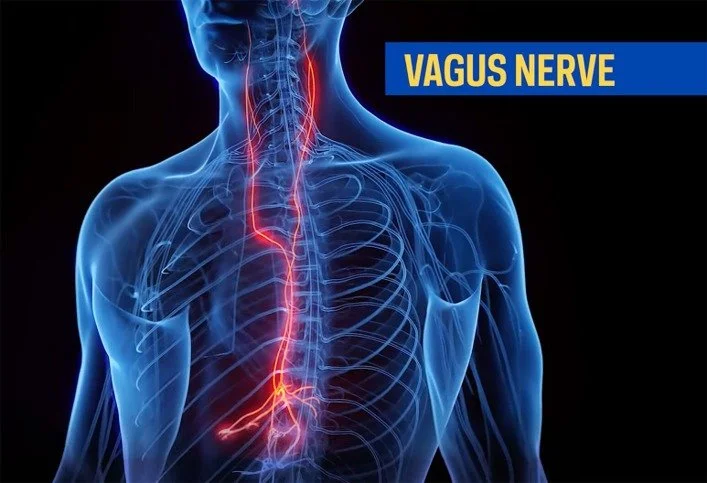
The Vagus Nerve: Your Body's Relaxation Pathway
The vagus nerve is the longest cranial nerve in the body. It connects the brain with the heart, lungs, digestive organs, and many other tissues.
When vagal activity increases, the body naturally shifts toward its rest-and-digest state by:
slowing the heart rate
improving digestion
reducing stress hormones
supporting immune function
improving emotional regulation
promoting deeper sleep
Many traditional Ayurvedic and Yogic practices naturally encourage this parasympathetic state, which is why researchers are increasingly studying their effects on vagal tone.
Yoga Asanas That Calm the Nervous System
Unlike vigorous exercise, many traditional yoga postures gently encourage relaxation and mindful breathing.
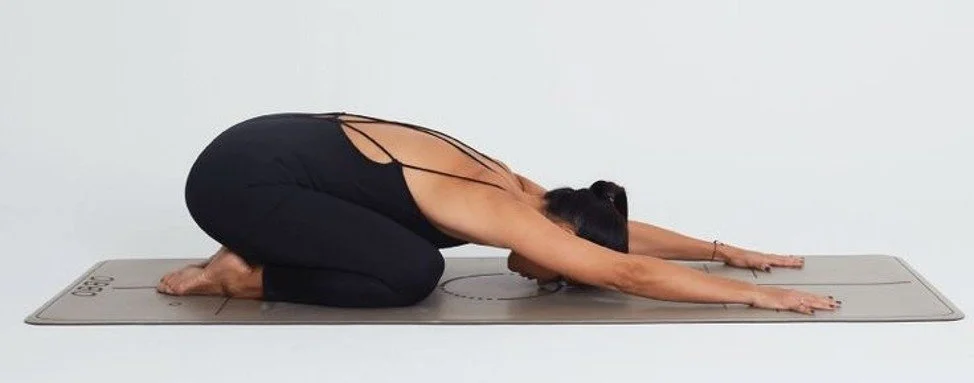
Balasana (Child's Pose)
This deeply restorative posture encourages diaphragmatic breathing while helping quiet the mind.
Viparita Karani (Legs-Up-the-Wall)
One of Ayurveda's favorite restorative poses for reducing fatigue, calming Vata, and encouraging relaxation after long days.

Supta Baddha Konasana
This supported reclining posture gently opens the chest while encouraging slow breathing and emotional release.
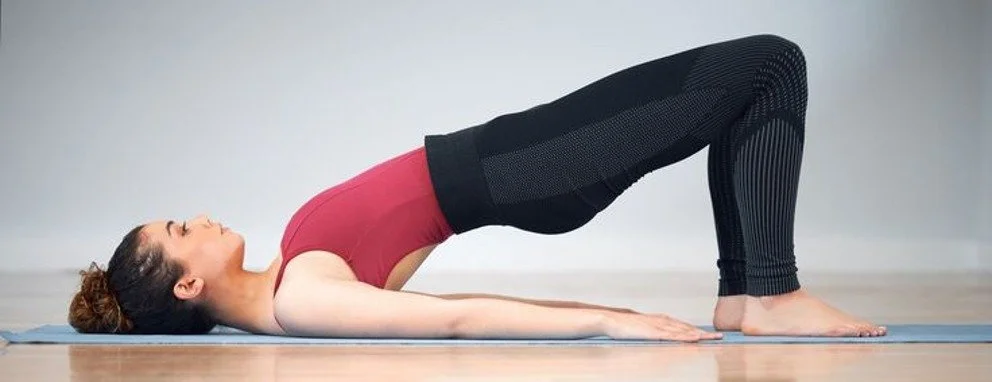
Setu Bandhasana (Bridge Pose)
A gentle backbend that opens the chest, improves circulation, and promotes fuller breathing.
Cat-Cow (Marjaryasana-Bitilasana)
Slow synchronized movement with the breath reduces muscular tension while improving spinal mobility.
Gentle Twists
Twisting postures may support digestion, improve spinal flexibility, and encourage mindful breathing.
Rather than striving for athletic performance, Ayurveda encourages yoga as a practice of awareness, steadiness, and nervous system regulation.
Pranayama: Direct Communication with the Nervous System
Among all yogic practices, breathwork may have the most immediate influence on the autonomic nervous system.
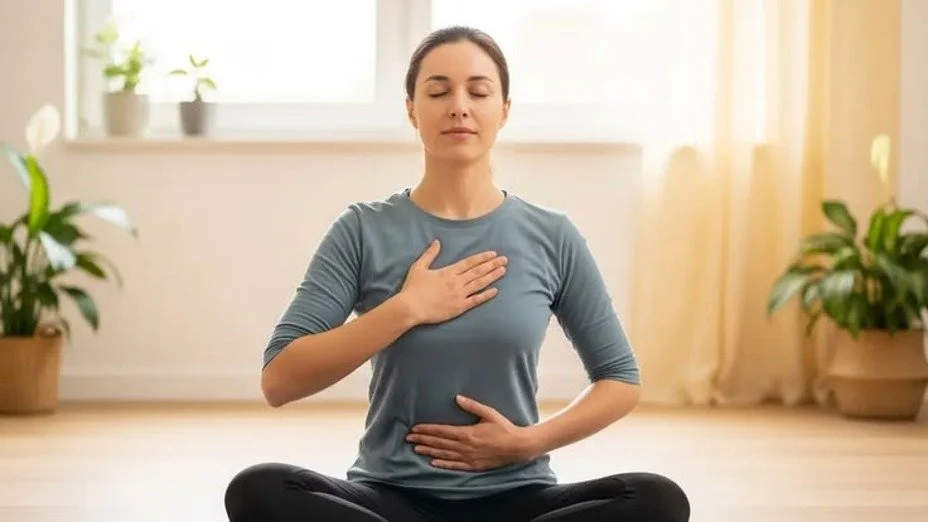
Diaphragmatic Breathing
Slow belly breathing stimulates the diaphragm and is associated with increased parasympathetic activity.
Practice:
Inhale for four counts
Exhale for six counts
Continue for 5–10 minutes
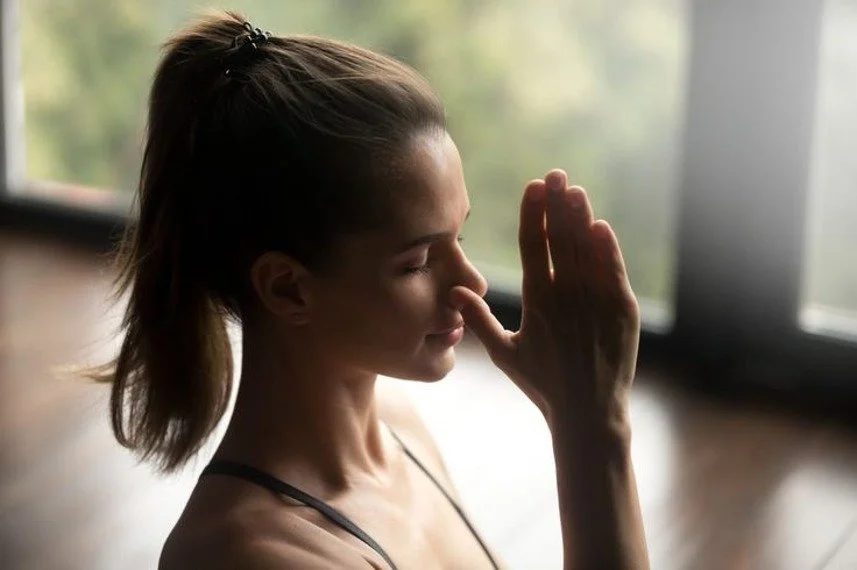
Nadi Shodhana (Alternate Nostril Breathing)
One of Ayurveda's most recommended breathing practices for balancing Vata.
Benefits include:
calmer mind
improved concentration
emotional balance
mental clarity
Bhramari (Humming Bee Breath)
The gentle humming vibration naturally creates resonance throughout the throat and face while helping many people experience deep relaxation.
Modern researchers are interested in how humming practices may influence vagal pathways and breathing efficiency.

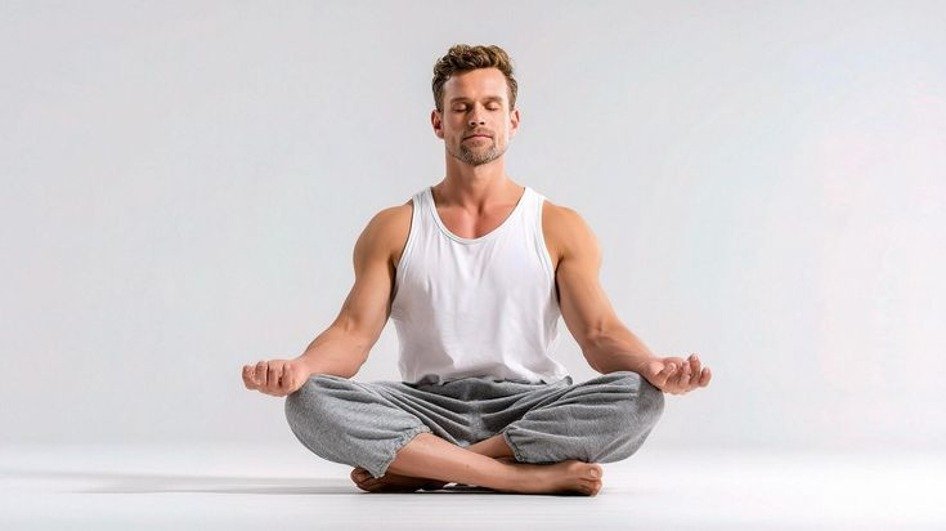
Meditation and Neuroplasticity
Ayurveda teaches that the mind becomes healthier through repeated positive habits.
Modern neuroscience calls this neuroplasticity—the brain's ability to reorganize itself through repeated experience.
Daily meditation may help improve:
emotional regulation
attention
resilience
self-awareness
compassion
Even 10–20 minutes each day can gradually reshape habitual stress responses.
Dinacharya: Reprogramming Through Daily Rhythm
One of Ayurveda's greatest contributions to modern wellness is Dinacharya, the science of daily routine.
Simple practices include:
waking before sunrise
tongue scraping
warm water
Abhyanga (warm oil massage)
yoga
pranayama
meditation
nourishing meals
sleeping before 10 PM
The nervous system thrives on rhythm. Consistency creates predictability, helping calm Vata and supporting healthy nervous system function.
Ayurveda's Foundation: Digestion, Ojas & Emotional Health
Ayurveda teaches that healthy digestion (Agni) nourishes every tissue, including those that support the mind and nervous system.
Strong digestion helps build Ojas, the subtle essence associated with:
vitality
immunity
resilience
emotional stability
mental clarity
When digestion weakens, both body and mind suffer. This ancient understanding closely parallels today's growing interest in the gut-brain connection.

Why Study Ayurveda?
Understanding the connection between Ayurveda, Yoga, lifestyle medicine, and nervous system regulation is increasingly valuable in today's healthcare landscape.
At the Minnesota Institute of Ayurveda, students learn to:
Assess individual constitutions (Prakriti)
Understand Dosha imbalance
Apply Ayurvedic nutrition
Teach Dinacharya and Ritucharya
Integrate yoga, pranayama, and meditation into wellness plans
Support clients through preventive, personalized care
Whether you are a yoga teacher, massage therapist, nurse, health coach, nutrition professional, or simply passionate about holistic health, Ayurveda provides a comprehensive framework for lifelong wellness.
Begin Your Ayurveda Journey
Ayurveda is more than a healing system—it is a way of understanding life.
If you're inspired by the connection between ancient wisdom and modern science, the Minnesota Institute of Ayurveda offers comprehensive training through our Ayurvedic Health Counselor and Ayurvedic Practitioner programs.
Join a growing community of professionals dedicated to helping others cultivate balance, resilience, and vibrant health—one person, one family, and one community at a time.
Explore Our Programs
🌿 Ayurvedic Health Counselor (AHC) Program
Build a strong foundation in Ayurvedic nutrition, lifestyle, wellness counseling, and preventive healthcare while learning how to guide clients toward lasting health.
➡️ https://www.mnayurveda.com/ayurvedic-health-counselor
🌿 Ayurvedic Practitioner (AP) Program
Advance your clinical knowledge with in-depth training in Ayurvedic assessment, pathology, herbal formulations, therapeutic protocols, and client care.
➡️ https://www.mnayurveda.com/ayurvedic-practitioner
Your Journey Starts Today
Ayurveda teaches that health is created through the choices we make every day. By learning this timeless science, you'll gain the knowledge to transform your own well-being while empowering others to live healthier, more balanced lives.
Explore our programs today and take the first step toward a rewarding career in Ayurveda and holistic health.

