
Ayurveda and Breast Cancer: Understanding Supportive Care During Treatment
A breast cancer diagnosis can bring many physical and emotional challenges. Treatment may involve surgery, chemotherapy, radiation therapy, hormone therapy, targeted therapy, or a combination of approaches depending on the type and stage of cancer. During this journey, some patients also explore complementary approaches to support their overall well-being. Ayurveda and breast cancer is one such area of interest, particularly for people looking for supportive approaches related to nutrition, sleep, stress, fatigue, and general wellness.

It is important to understand that Ayurveda should not replace breast cancer treatment recommended by an oncologist. Instead, appropriately supervised Ayurvedic supportive care may be considered as part of an integrative approach, with the knowledge and approval of the treating medical team.
What Is the Role of Ayurveda During Breast Cancer Treatment?

Ayurveda is a traditional system of medicine that considers diet, lifestyle, sleep, physical activity, mental well-being, and individual health needs. When someone is undergoing cancer treatment, the purpose of supportive Ayurvedic care should not be to claim a cure for cancer. Its potential role is to support the patient's general health and quality of life while conventional medical treatment addresses the cancer itself. An Ayurvedic consultation may consider factors such as appetite, digestion, sleep quality, energy levels, stress, daily routine, and overall physical condition.
Any Ayurvedic therapy, medicine, herb, or supplement should be discussed with the patient's oncologist before use.
Ayurveda and Breast Cancer: A Supportive Approach
Breast cancer treatment affects every patient differently. Some people may experience tiredness, changes in appetite, sleep difficulties, emotional stress, or digestive concerns.
This is why Ayurvedic supportive care should be individualized rather than following the same plan for everyone.
Supportive care may focus on:
Maintaining a balanced and nourishing diet
Supporting healthy daily routines
Encouraging adequate rest and sleep
Managing everyday stress
Maintaining appropriate physical activity
Supporting digestion and appetite
Promoting overall physical and emotional well-being
These measures should complement—not interfere with—the patient's medical treatment.
Nutrition During Breast Cancer Treatment

Good nutrition is an important part of maintaining strength during breast cancer treatment. However, treatment can sometimes affect appetite, taste, digestion, or food tolerance.
From an Ayurvedic perspective, dietary recommendations are generally individualized according to the person's condition, digestion, treatment stage, and tolerance. Simple, nourishing and easily digestible meals may be appropriate for some people. Adequate hydration is also important.
Patients should avoid making major dietary changes or following restrictive diets without discussing them with their healthcare team. A qualified oncologist and appropriately trained healthcare professional can help determine nutritional needs during cancer treatment.
Supporting Fatigue and Energy Levels

Fatigue is a common concern among people undergoing cancer treatment. It can be different from ordinary tiredness and may not completely improve with sleep alone.
A supportive wellness routine may include adequate rest, regular sleep habits, balanced nutrition, gentle activity when medically appropriate, and managing daily activities according to energy levels.
Ayurveda traditionally emphasizes maintaining a balanced daily routine. However, patients undergoing cancer treatment should avoid strenuous therapies, fasting, detoxification programs, or intensive exercise unless specifically cleared by their medical team.
Persistent or severe fatigue should always be discussed with the treating doctor because it may require medical assessment.
Managing Stress and Emotional Well-Being
A breast cancer diagnosis can affect emotional well-being as much as physical health. Fear, uncertainty, stress, and changes in daily life can be difficult to manage. Supportive practices such as gentle breathing exercises, meditation, relaxation techniques, spending time with family and friends, and maintaining a comfortable daily routine may help some people cope with stress. Counselling or psychological support can also be an important part of comprehensive cancer care.
Ayurvedic supportive care, including specialized massages, and therapies like shirodhara, can fit within this broader wellness approach, but discuss persistent or hard-to-manage emotional symptoms with a qualified healthcare professional.
Sleep and Rest During Treatment
Good sleep supports overall well-being, but cancer treatment, stress, discomfort, medications, and changes in routine can sometimes disturb normal sleep. Simple habits may help improve sleep quality. Maintaining regular sleep and wake times, limiting stimulating activities before bedtime, keeping the sleeping environment comfortable, and practising gentle relaxation techniques can be useful.
If sleep problems continue for a long period or significantly affect daily life, patients should speak with their healthcare team.
Can Ayurvedic Herbs Be Taken During Breast Cancer Treatment?
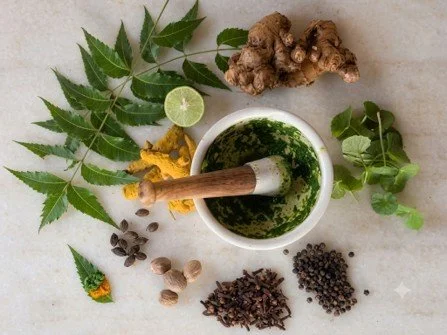
This requires particular caution. "Natural" does not automatically mean safe during cancer treatment. Some herbs, supplements, Ayurvedic medicines, or concentrated preparations can potentially interact with chemotherapy, hormone therapy, targeted medicines, anticoagulants, or other medications. Some products may also be unsuitable before or after surgery.
Therefore, patients should not start Ayurvedic medicines or herbal supplements without informing their oncologist.
The oncologist and qualified Ayurvedic practitioner should ideally be aware of all medicines, herbs, supplements, and therapies being used.
Ayurveda Alongside Chemotherapy and Radiation Therapy
People sometimes search for Ayurveda and breast cancer because they want additional support while undergoing chemotherapy or radiation therapy.
The safest approach is coordinated care. Conventional cancer treatment should continue according to the oncology team's recommendations. Complementary practices should only be introduced when they are considered appropriate and do not interfere with treatment.
Patients should also report new or worsening symptoms to their oncology team rather than attempting to manage significant treatment-related side effects independently.
Why Personalized Supportive Care Matters
There is no single Ayurvedic plan suitable for every breast cancer patient.
Age, cancer type and stage, medical treatment, existing health conditions, medications, nutritional status, and current symptoms can all influence what may or may not be appropriate. This makes personalized assessment particularly important. Supportive care should also change as the patient's medical treatment progresses. What is suitable before surgery may be different from what is appropriate during chemotherapy or recovery.
Integrating Ayurveda Responsibly Into Breast Cancer Care
The goal of integrative care is not to choose between Ayurveda and modern oncology.
Instead, conventional oncology remains responsible for diagnosing and treating breast cancer, while carefully selected complementary approaches may focus on supporting general wellness and quality of life. Good communication between patients, oncologists, and other healthcare professionals is essential. Patients should tell their medical team about every complementary therapy they are considering, including Ayurvedic medicines, herbal preparations, supplements, massage therapies, dietary programs, and other treatments.
Conclusion
Interest in Ayurveda and breast cancer often comes from a desire to feel stronger, maintain well-being, and receive more comprehensive support during a challenging period. Appropriately planned Ayurvedic supportive care may focus on nutrition, daily routine, rest, stress management, sleep, and general wellness. However, it should be approached responsibly and should never replace surgery, chemotherapy, radiation therapy, hormone therapy, targeted therapy, or other cancer treatments recommended by an oncology team. At MN Ayurveda, the focus should be on individualized supportive care that considers a patient's overall condition and ongoing medical treatment. Anyone undergoing breast cancer treatment should consult their oncologist before starting Ayurvedic medicines, herbal supplements, or therapies.

