
Ayurveda for Winter 2025: Seasonal Routines to Boost Immunity
Practical Daily Habits, Foods, and Herbs to Stay Balanced in Cold Weather
Introduction: Why Winter Needs a Different Approach in Ayurveda
As winter 2025 approaches, many people begin to feel the familiar seasonal challenges—dry skin, low energy, stiff joints, frequent colds, and sluggish digestion. Ayurveda, the ancient science of life, teaches that every season affects the body differently. Winter is governed by Vata (cold, dry, light) and Kapha (cold, heavy, damp), making immunity highly vulnerable if the body isn’t supported with warm, nourishing, grounding routines.
Institutions like The Ayurvedic Institute emphasize that aligning your lifestyle with nature’s seasonal rhythms is the most effective way to boost immunity and vitality. Even students undergoing Ayurvedic certification are taught that winter routines play a critical role in long-term wellness and disease prevention.
This detailed winter guide will help you stay strong, warm, and balanced using simple Ayurvedic rituals, foods, and herbs.
Understanding the Winter Dosha Dynamics: Vata + Kapha
Winter carries characteristics of both Vata and Kapha, depending on your region:
Early Winter (cold, dry, windy): Vata dominates.
Late Winter (cold, heavy, damp): Kapha rises.
Ayurveda encourages us to follow routines that calm Vata while preventing Kapha buildup later.
Students studying at The Ayurvedic Institute often start their seasonal health education by understanding these shifts and applying practices that balance these doshas.
Daily Winter Routine (Dinacharya) to Boost Immunity
1. Wake Up With Warmth
Start your day with:
A cup of warm water
Ginger, cinnamon, or tulsi tea
A moment of slow breathing to center your mind
Warmth ignites Agni, your digestive fire, which tends to be sluggish in winter. This is one of the first principles taught in ayurvedic certification courses.
2. Oil Massage (Abhyanga) – A Winter Essential
Winter aggravates dryness. A warm oil massage keeps the skin, joints, and nervous system nourished.
Use:
Sesame oil for Vata
Almond oil for dry skin
Mustard oil if Kapha feels heavy
Warm the oil and massage before showering. This seals in moisture and boosts immunity by stabilizing the nervous system—a concept emphasized by The Ayurvedic Institute.
3. Steam Therapy
Warm showers or mild steam inhalation:
Reduces congestion
Opens channels
Relaxes stiff muscles
Protects against Kapha buildup
4. Prioritize Warm, Cooked, Nourishing Foods
Your winter diet should include:
Stews, soups, khichdi, warm porridges
Ghee, sesame oil, coconut oil
Cooked root vegetables
Lentils and legumes
Whole grains like rice, amaranth, and oats
Avoid:
Raw salads
Cold beverages
Dry snacks
Frozen foods
Students earning ayurvedic certification learn that food temperature and preparation are equally important as ingredients during winter.
5. Spice Up Your Meals
Winter is the best time to enhance digestion using spices:
Ginger
Black pepper
Cumin
Turmeric
Fenugreek
Cinnamon
Cloves
Cardamom
These spices improve circulation, warm the body, support detox, and strengthen Agni. Traditional teachings at The Ayurvedic Institute highlight spices as natural, daily immunity boosters.
6. Move Your Body (But Don’t Overdo It)
Winter workouts should be:
Grounding
Strength-building
Warming
Ideal activities:
Yoga
Walking
Slow running
Strength training
Sun salutations
Avoid excessive cardio or high-intensity training that depletes Vata.
7. Sleep Deeply and Early
Winter naturally invites longer, deeper rest. Aim for:
7–9 hours of sleep
Winding down early
Avoiding screen time before bed
Drinking warm milk with nutmeg or turmeric
This supports immunity and balances Vata.
Top Ayurvedic Herbs for Winter Immunity
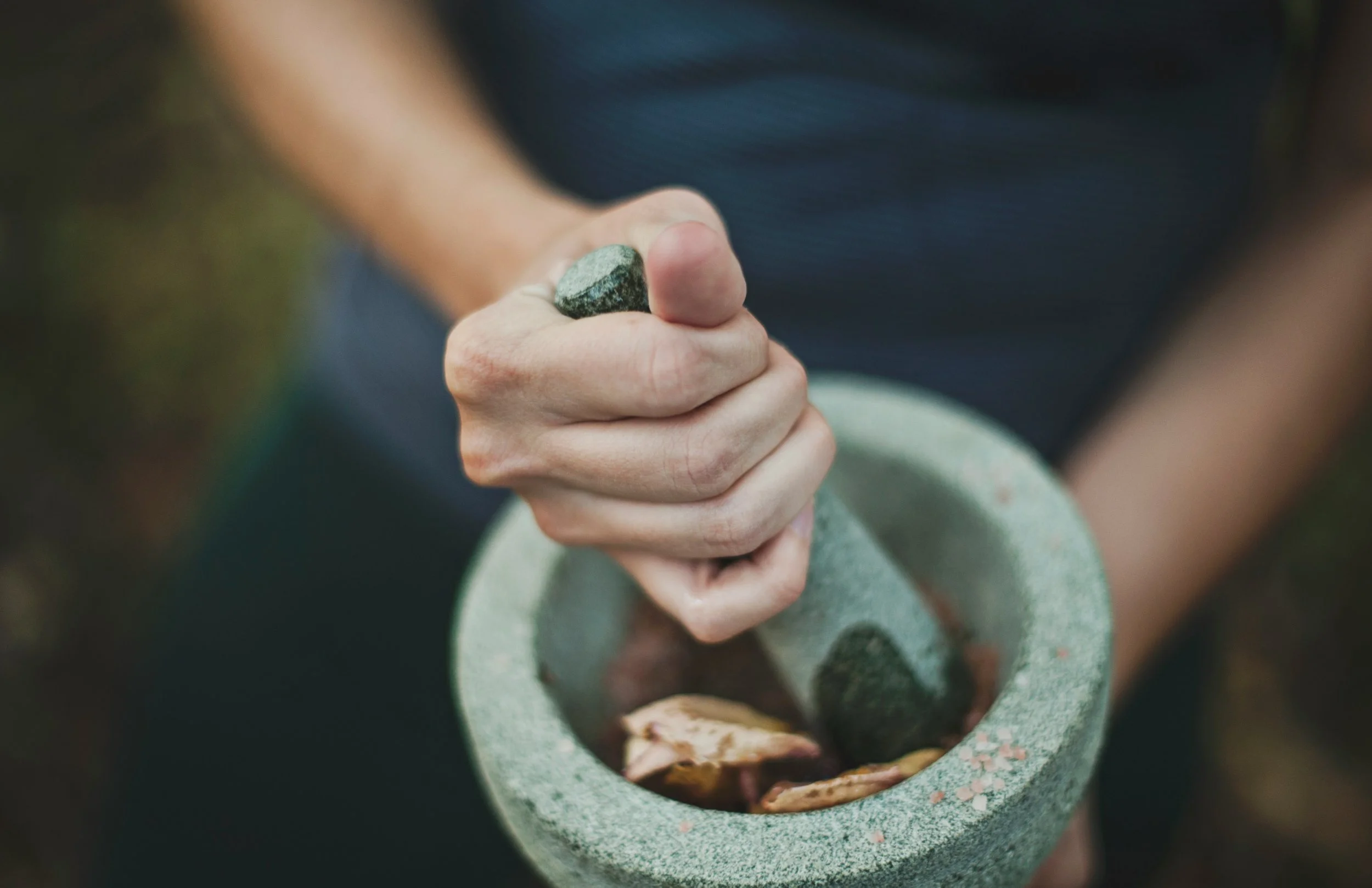
Ayurveda offers powerful herbs that keep your body protected during winter.
1. Ashwagandha
Boosts immunity, reduces stress, improves sleep.
2. Amla (Indian Gooseberry)
Rich in Vitamin C and antioxidants.
3. Tulsi
Supports respiratory health and fights infection.
4. Ginger
Warms the body and speeds digestion.
5. Turmeric
Anti-inflammatory and immune-protective.
6. Chyawanprash
A winter superfood recommended by many practitioners, including those trained at The Ayurvedic Institute.
7. Triphala
Balances digestion and supports detox.
These herbs are often included in coursework for ayurvedic certification programs because they represent the core of natural immune support.
Winter-Friendly Ayurvedic Meal Ideas
Here are simple, warming food options perfect for winter:
Breakfast
Ghee-roasted oatmeal with cinnamon
Warm fruit stews
Rice porridge
Ragi porridge with jaggery and sesame
Lunch
Vegetable khichdi
Ghee rice with lentil dal
Spiced soups: pumpkin, carrot, beetroot, ginger
Wheat rotis with warm sabzis
Dinner
Light soups
Mung dal khichdi
Steamed vegetables with ghee
Barley or quinoa stews
These meals help prevent both Vata dryness and Kapha congestion.
Protect Your Respiratory System
Winter increases the risk of colds, congestion, and respiratory infections.
Ayurveda recommends:
Nasal oiling (Nasya) with anuthailam or sesame oil
Tulsi-ginger tea
Turmeric milk
Salt gargling
Honey with black pepper
Practitioners trained through ayurvedic certification programs often integrate these remedies into winter wellness treatments.
Mental & Emotional Wellness in Winter
Shorter days can bring dullness, lethargy, and emotional imbalance—especially if Vata or Kapha are high.
Try:
Sun exposure for Vitamin D
Meditation
Warm herbal teas
Journaling
Gentle yoga
Daily affirmations
Institutions like The Ayurvedic Institute emphasize that emotional health is inseparable from physical immunity.
Winter Detox: Light, Gentle, and Effective
Unlike spring, winter detoxing should be gentle.
Try:
Warm water fasting (half-day)
Spiced teas
Triphala at night
Avoiding heavy meals
Light evening soups
Heavy detox is discouraged because winter Agni needs nourishment, not depletion—something deeply taught in ayurvedic certification courses.
Conclusion: Make Winter 2025 Your Strongest Season
Ayurveda teaches us that winter can be your most nourishing and strengthening season—if you follow the rhythms of nature. Grounding routines, warm foods, herbs, and daily rituals help balance Vata and Kapha, boost immunity, and prepare the body for the coming year.
Whether you are exploring Ayurveda through personal interest or studying at places like The Ayurvedic Institute or pursuing ayurvedic certification, these winter guidelines form the core of seasonal self-care.
Embrace warmth. Embrace nourishment. Embrace balance.
This winter, let Ayurveda guide your path toward immunity and vitality.