
Ayurveda Certification Explained: How to Choose an Accredited Ayurveda Certification Program
Ayurveda, the ancient science of natural healing, is gaining global recognition as more people seek holistic and preventive approaches to health. With the growing interest in Ayurveda, many students and wellness professionals are now looking for Ayurveda Certification programs to build knowledge and start a career in natural health.
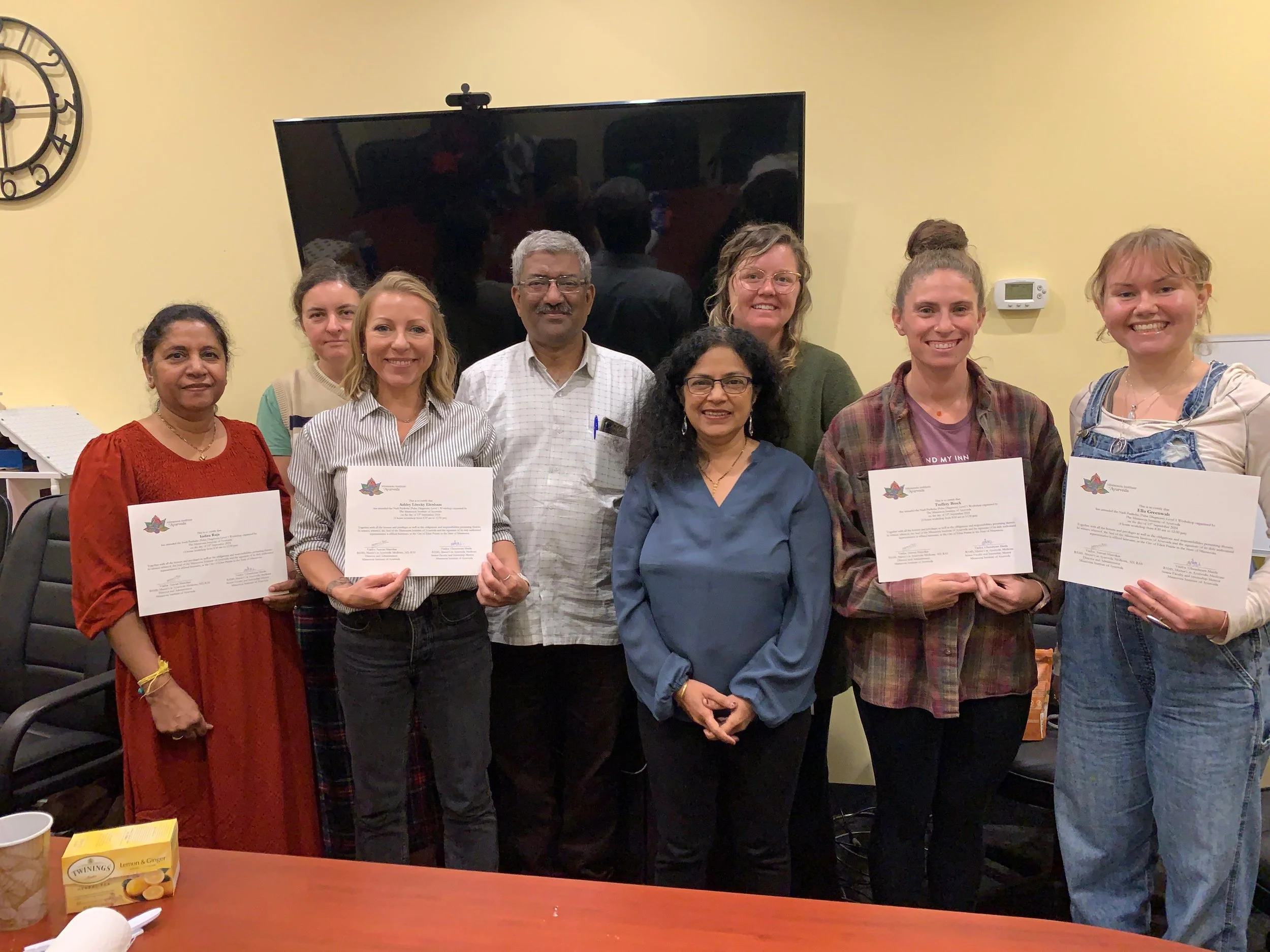
However, choosing the right accredited Ayurveda certification is important to ensure you receive authentic education, practical knowledge, and globally respected credentials.
Institutions like MN Ayurveda provide structured programs designed to help students understand the principles of Ayurveda and apply them in real-world wellness practices.
In this guide, we explain what Ayveda certification is, why accreditation matters, and how to choose the right program.
What Is Ayurveda Certification?
Ayurveda Certification is a structured training program that teaches students the core principles of Ayurveda, including lifestyle management, Ayurvedic nutrition, and natural wellness practices.
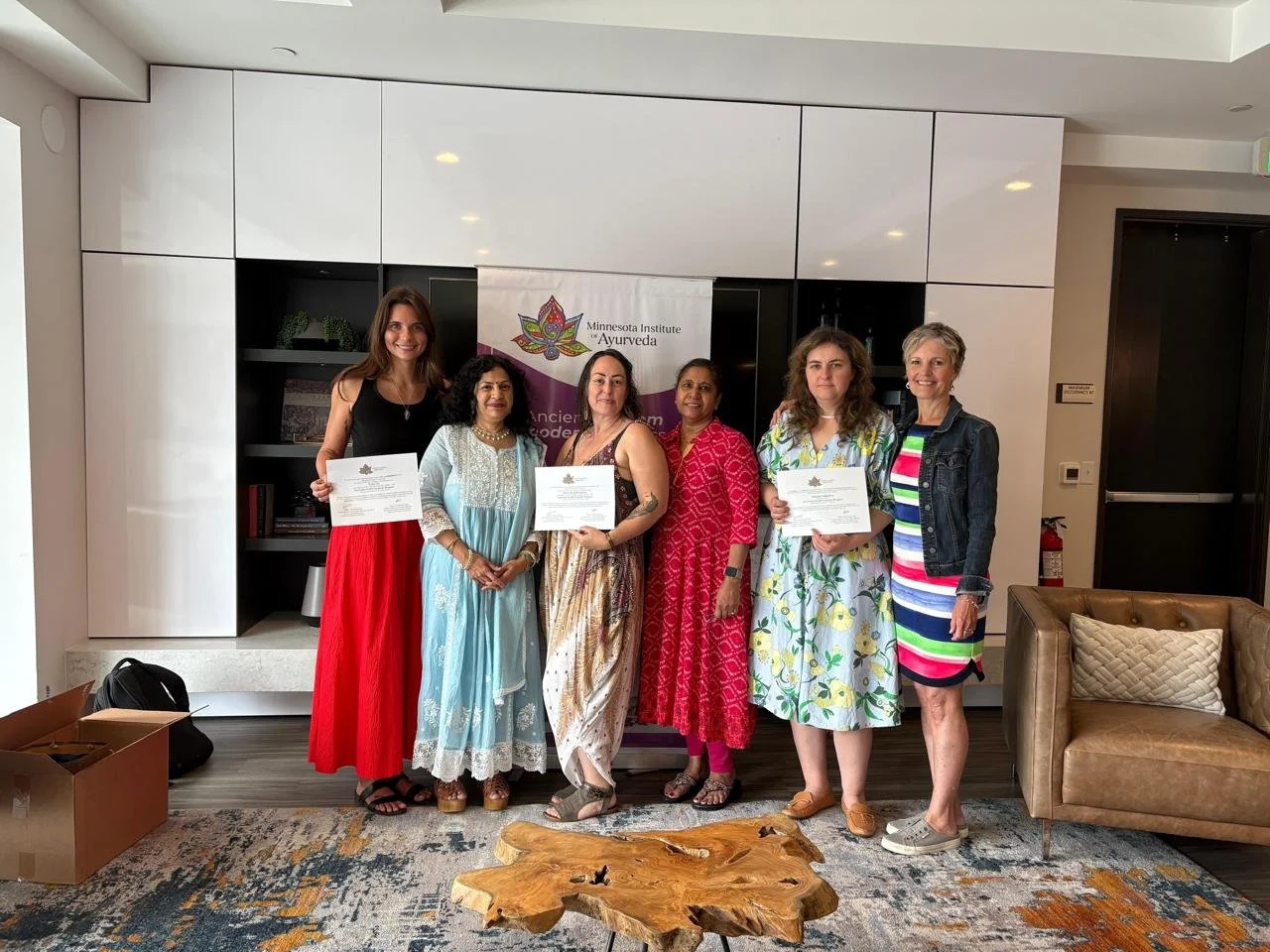
These programs typically cover topics such as:
Foundations of Ayurveda
Understanding the three doshas (Vata, Pitta, Kapha)
Ayurvedic diet and nutrition
Daily routines (Dinacharya)
Seasonal health practices (Ritucharya)
Basic herbal knowledge
Holistic lifestyle counseling
Completing a certification program allows students to work in the wellness and holistic health industry.
Why Accredited Ayurveda Certification Matters
Not all Ayurveda courses offer the same level of training. Choosing an accredited Ayurveda certification ensures that the education meets recognized educational and professional standards.
Quality Education
Accredited programs follow structured curricula designed by experienced Ayurveda practitioners and educators.
Professional Recognition
A certification from a recognized institute increases credibility when working with wellness centers, clinics, or health organizations.
Practical Knowledge
Accredited courses often include practical training in:
Ayurvedic lifestyle consultation
Dietary guidance
Natural wellness planning
Client assessment methods
Career Opportunities
Graduates with recognized certification can work in:
Ayurveda wellness centers
Yoga and holistic wellness studios
Health retreats and spas
Lifestyle counseling practices
What You Learn in an Ayurveda Certification Program
A well-designed Ayurveda Certification course provides both theoretical knowledge and practical understanding of holistic health.
1. Fundamentals of Ayurveda

Students learn the core philosophy of Ayurveda, including:
Panchamahabhutas (five elements)
Tridosha theory
Body constitution (Prakriti)
This foundation helps students understand how Ayurveda views health and disease prevention
Diet plays a central role in Ayurveda. Certification programs teach:
Food according to dosha type
Seasonal dietary practices
Digestive health principles
Ayurvedic cooking basics
This knowledge helps counselors guide individuals toward better nutrition and digestion.
3. Lifestyle and Preventive Health
Ayurveda emphasizes daily routines and lifestyle balance.
Students learn about:
Dinacharya (daily routine)
Ritucharya (seasonal routines)
Sleep and stress management
Detox and cleansing practices
These practices help maintain physical and mental balance.
4. Basic Herbal Knowledge
Certification programs also introduce students to common Ayurvedic herbs and their wellness applications.
Topics may include:
Herbal formulations
Digestive herbs
Immune-support herbs
Stress-relief herbs
Understanding herbs helps practitioners recommend natural wellness support.
How to Choose the Right Ayurveda Certification Program
If you are planning to enroll in an Ayurveda Certification course, consider these important factors.
Accreditation and Reputation
Choose an institute that provides recognized and structured training programs.
Programs offered by institutions such as MN Ayurvedaare designed with experienced educators and practical learning approaches.
The students learn about Women’s Health, Kid’s health, Introduction to Yoga, Vastu, and Jyotish in the curriculum.
Curriculum and Course Structure
A good certification program should include:
Core Ayurvedic theory
Practical wellness applications
Client counseling methods
Real-world case discussions
A comprehensive curriculum ensures a deeper understanding of Ayurveda.
Experienced Faculty
Learning from experienced Ayurveda practitioners helps students gain practical insights beyond textbook knowledge.
Flexible Learning Options
Many institutes now offer both in-person and online Ayurveda certification programs, making education accessible for students worldwide.
Earning potential after completion, and the counselor can start a clinical practice. Typical initial consultation charges: $150-200 per session and $75-100 for a follow-up.
Career Opportunities After Ayurveda Certification
Completing an Ayurveda Certification can open doors to several opportunities in the wellness industry.
Ayurveda Health Counselor
Guide individuals on Ayurvedic diet, lifestyle, and preventive health practices.
Wellness Consultant
Work with wellness centers, yoga studios, or health retreats.
Holistic Health Coach
Support clients in improving their lifestyle using natural health approaches.
Ayurveda Educator or Practitioner Assistant
Assist Ayurveda practitioners in clinics or wellness centers.
Benefits of Studying Ayurveda Certification
Choosing to study Ayurveda offers both professional and personal benefits.
✔ Learn holistic health principles
✔ Help people improve their lifestyle naturally
✔ Build a career in the growing wellness industry
✔ Gain knowledge of natural healing systems
✔ Promote preventive healthcare practices
As the demand for holistic wellness grows globally, trained professionals with Ayurveda certification are becoming increasingly valuable.
Conclusion
Ayurveda continues to gain worldwide recognition as a powerful system for natural health and preventive wellness. Completing a structured Ayurveda Certification program provides the knowledge and skills needed to guide individuals toward healthier lifestyles through diet, daily routines, and holistic practices.
Choosing an accredited Ayurveda certification ensures that you receive authentic education, practical training, and professional credibility. Institutions such as MN Ayurveda offer well-structured programs that help students build a strong foundation in Ayurvedic wellness.
Whether you are passionate about holistic health, looking to expand your wellness career, or simply interested in learning Ayurveda, certification programs provide a valuable pathway to understanding and applying this ancient healing science.
Not sure which certification is right for you?
Talk to our experts and get personalized guidance for your Ayurveda career.
