
5 Ayurvedic Self-Massage (Abhyanga) Techniques by the Best Ayurveda School in Midwest
5 Ayurvedic Self-Massage (Abhyanga) Techniques You Can Do Every Day
In Ayurveda, Abhyanga, or daily self-massage with warm oil, is considered one of the most powerful practices for maintaining physical, mental, and emotional well-being. Classical texts describe Abhyanga as a key part of Dinacharya (daily routine) that nourishes tissues, balances doshas, and slows the aging process.
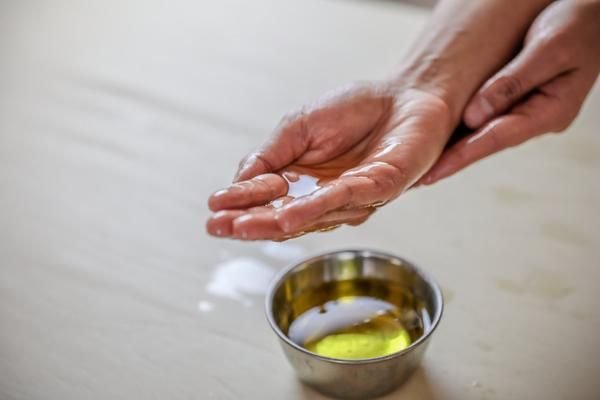
At the Best Ayurveda School in Midwest, students are taught that Abhyanga is not just a massage technique—it is a daily act of self-care and self-healing. Practiced consistently, it supports immunity, improves circulation, and creates a deep sense of grounding.
Below are five simple Ayurvedic self-massage techniques you can easily incorporate into your daily routine.
1. Head Massage (Shiro Abhyanga)
How to Do It
Warm a small amount of oil (sesame for Vata, coconut for Pitta, mustard for Kapha).
Using fingertips, gently massage the scalp in circular motions.
Cover the crown, temples, and back of the head.
Continue for 3–5 minutes.
Benefits
Calms the nervous system
Reduces stress, anxiety, and mental fatigue
Improves sleep quality
Nourishes hair roots and scalp
The Best Ayurveda School in Midwest emphasizes Shiro Abhyanga for modern lifestyles where mental stress and screen exposure are high.
2. Face & Neck Massage (Mukha Abhyanga)
How to Do It
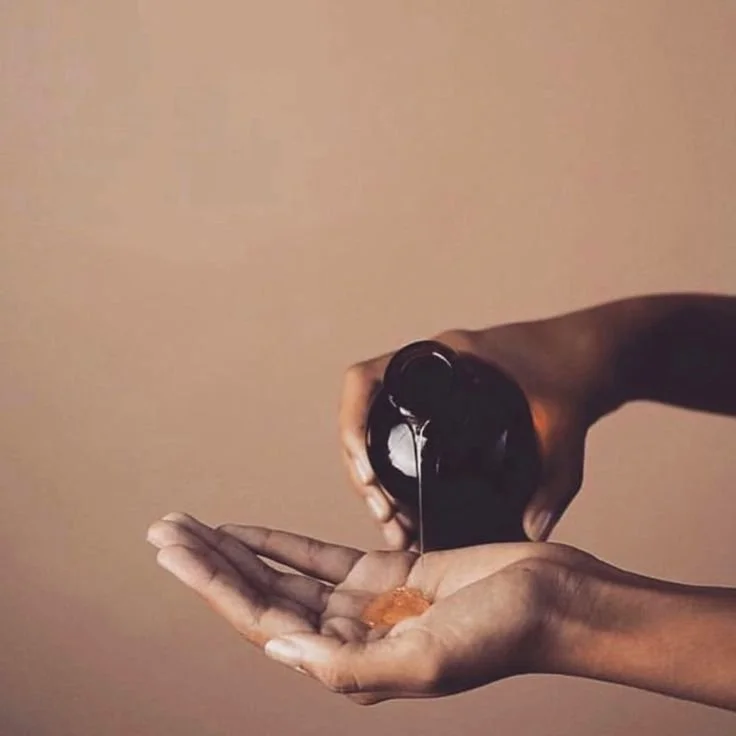
Apply a few drops of warm oil to your palms.
Use upward strokes on the face and gentle circular motions on the cheeks.
Massage the jawline, neck, and throat area carefully.
Benefits
Enhances blood circulation to the face
Promotes natural glow and skin elasticity
Reduces facial tension and jaw tightness
Slows signs of premature aging
According to Ayurvedic education taught at the Best Ayurveda School in Midwest, facial massage also stimulates marma points linked to emotional balance.

3. Full Body Massage (Sarvanga Abhyanga)
How to Do It
Start from the head and move downward toward the feet.
Use long strokes on limbs and circular motions on joints.
Massage the abdomen in a clockwise direction.
Allow oil to absorb for 10–15 minutes before a warm shower.
Benefits
Balances Vata, Pitta, and Kapha doshas
Improves circulation and lymphatic drainage
Relieves joint stiffness and muscle fatigue
Strengthens immunity and vitality
This technique is a cornerstone of daily routines taught at the Best Ayurveda School in Midwest for long-term wellness.
4. Foot Massage (Padabhyanga)
How to Do It
Sit comfortably and apply warm oil to the soles.
Massage heels, arches, toes, and ankles thoroughly.
Apply gentle pressure on the center of the sole.
Benefits
Improves sleep and reduces insomnia
Relieves tired feet and leg pain
Supports eye health according to Ayurveda
Grounds excess Vata energy
Padabhyanga is highly recommended by the Best Ayurveda School in Midwest, especially for people who stand or walk a lot during the day.
5. Joint Massage (Sandhi Abhyanga)
How to Do It
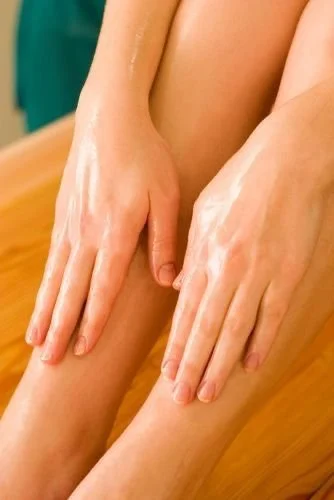
Apply oil generously to joints like knees, elbows, wrists, and shoulders.
Use circular movements in both directions.
Massage gently, avoiding excessive pressure.
Benefits
Lubricates joints and improves flexibility
Reduces stiffness and dryness
Supports healthy aging
Prevents Vata-related joint disorders
This technique is especially important during colder seasons, as taught in seasonal routines at the Best Ayurveda School in Midwest.
Choosing the Right Oil for Abhyanga
Vata: Sesame oil, Ashwagandha oil
Pitta: Coconut oil, Brahmi oil
Kapha: Mustard oil, Triphala oil
Proper oil selection is a key subject in professional Ayurvedic education at the Best Ayurveda School in Midwest.
Conclusion
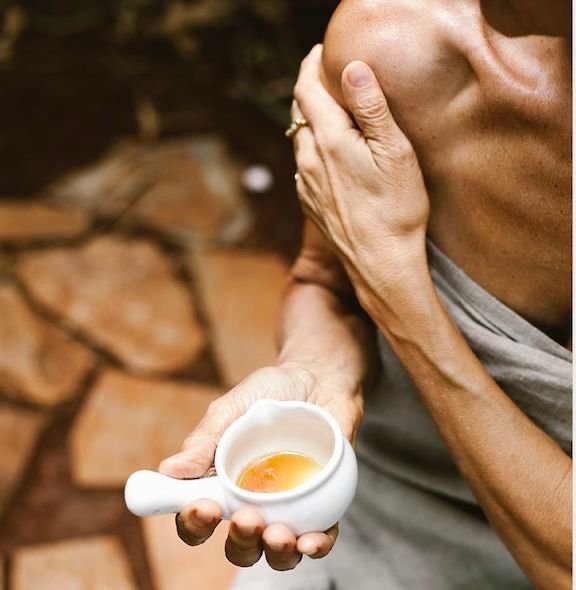
Daily Abhyanga is a simple yet transformative Ayurvedic practice that nurtures the body, calms the mind, and supports emotional well-being. Just 10–20 minutes a day can bring profound changes in energy, sleep, skin health, and immunity.
Learning these practices under guidance from the Best Ayurveda School in Midwest ensures authenticity, safety, and deeper understanding of Ayurvedic principles. Make Abhyanga a daily ritual—and experience the timeless wisdom of Ayurveda in your everyday life.
guide will help you stay strong, warm, and balanced using simple Ayurvedic rituals, foods, and herbs.
